



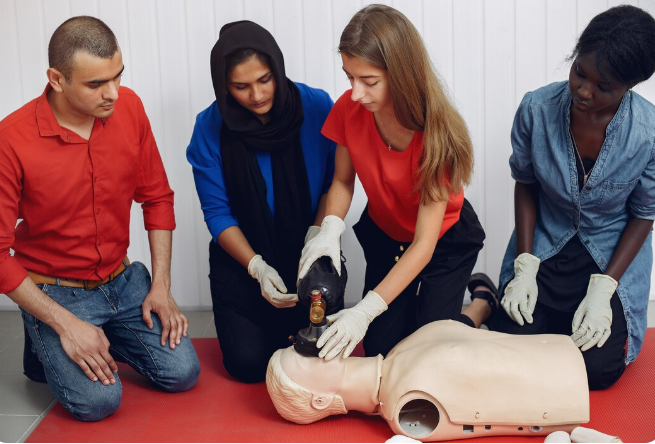
Emergencies rarely happen with warning. A sudden fall at home, a workplace injury, a sports accident, or a medical emergency can occur when least expected. In those crucial first moments, the actions of nearby individuals often have a significant influence on the outcome. This is why first aid training Darwin has become an important part of building safer communities. Acquiring practical emergency response skills gives individuals the self-assurance to maintain composure, evaluate circumstances, and provide appropriate support until expert medical aid comes.
As communities continue to grow and workplaces become more diverse, emergency preparedness is no longer limited to healthcare professionals. Families, teachers, office workers, construction employees, and community volunteers all benefit from knowing how to respond effectively during unexpected situations.
Why Emergency Preparedness Matters?
Preparedness begins with knowledge. While emergency services provide outstanding care, they cannot always reach every incident immediately. The first few minutes after an accident or medical emergency are often the most critical. Individuals who understand basic first aid can stabilise injuries, reduce complications, and offer reassurance to those in need.
Preparedness also reduces panic. Instead of feeling helpless during an emergency, trained individuals can focus on following proven procedures that prioritise safety for both themselves and the injured person. This confidence helps create safer homes, workplaces, schools, and public spaces.
Learning Practical Skills For Real Situations
Quality first aid training combines theory with practical exercises that reflect real-life emergencies. Participants gain experience handling situations that may involve bleeding, burns, fractures, choking, allergic reactions, or unconscious patients.
Hands-on practice allows learners to understand not only what actions should be taken but also how to perform them correctly. Repeated practice strengthens muscle memory, making it easier to respond quickly when real emergencies occur.
Modern first aid courses Darwin provide participants with practical scenarios designed to improve decision-making under pressure while reinforcing current emergency response guidelines.
Building Confidence In Every Environment
One of the greatest advantages of first aid training is the confidence it develops. Many people hesitate during emergencies because they fear making mistakes. Proper education replaces uncertainty with practical knowledge and clear decision-making.
Parents feel more prepared to care for children during accidents at home. Teachers become better equipped to assist students during school activities. Workplace employees understand how to respond while waiting for emergency responders. Sporting clubs benefit from members who can provide immediate assistance during injuries.
This confidence extends beyond emergencies by encouraging greater awareness of safety risks in everyday environments.
Supporting Workplace Safety
Employers have an important responsibility to maintain safe working conditions. While preventive measures reduce risks, accidents can still happen despite careful planning. Having trained employees available improves emergency response and demonstrates a strong commitment to staff wellbeing.
First aid training encourages workers to recognise hazards before incidents occur, report unsafe conditions, and participate in creating a stronger safety culture. These habits contribute to fewer workplace injuries while improving preparedness for unexpected situations.
Many organisations also value ongoing refresher training to ensure employees remain familiar with updated procedures and maintain their practical skills.
Encouraging Community Resilience
Emergency preparedness becomes even more valuable when entire communities participate. A community where more residents possess first aid knowledge becomes stronger, safer, and more resilient during unexpected events.
Natural disasters, public emergencies, sporting events, and community gatherings all benefit from having individuals who can respond confidently before professional assistance arrives. Even simple actions such as controlling bleeding, assisting someone experiencing shock, or performing CPR can make a meaningful difference.
When more people possess these essential skills, communities become better prepared to protect one another during difficult situations.
Keeping Skills Current
Medical recommendations continue to evolve as research improves emergency care practices. Regular refresher training helps individuals remain familiar with current techniques and maintain confidence in their abilities.
Many people discover that reviewing practical skills after several years improves both speed and accuracy during emergency response. Refresher courses also introduce participants to updated guidelines that reflect the latest evidence-based practices.
By completing a Darwin first aid course, one may enhance their current knowledge and gain more self-assurance in handling a broad range of emergency scenarios.
Conclusion
Emergency preparedness begins long before an accident occurs. It starts with education, practical experience, and a willingness to learn skills that may one day help protect family members, colleagues, friends, or even complete strangers. First aid training empowers individuals to remain calm during stressful situations, provide immediate assistance, and support better outcomes until professional medical care becomes available.
As more people invest in learning these valuable skills, workplaces become safer, families become more confident, and communities become more resilient. Strengthening emergency preparedness through quality first aid education is a practical investment that continues to deliver lasting benefits for both individuals and society.
